

In 2025, website speed has evolved from a technical metric to a core business growth factor. A slow-loading website doesn’t just frustrate visitors — it damages trust, weakens brand authority, and directly reduces conversions. Today’s users expect instant access, seamless navigation, and mobile-first experiences. A fast, optimized website increases engagement, strengthens SEO rankings, and drives measurable business results.
At TRIOTECH LABS, our experts emphasize that website performance isn’t just about speed — it’s about delivering consistent, high-quality user experiences across all devices. This guide explains how optimizing website speed in 2025 can boost conversions, support Core Web Vitals, and improve long-term SEO success.
What Is Site Speed?
Site speed is the time a webpage takes to load and respond to user actions. It shows how fast your website delivers content and affects user experience, SEO rankings, and conversions.
🔹 Main Elements of Site Speed
- Page Load Time: Total time to display a webpage.
- TTFB: How fast the server responds.
- LCP: How quickly main content appears.
- FID: How responsive the site feels. ( INP measures responsiveness, making speed even more important for ranking.)
- CLS: Layout stability during loading.
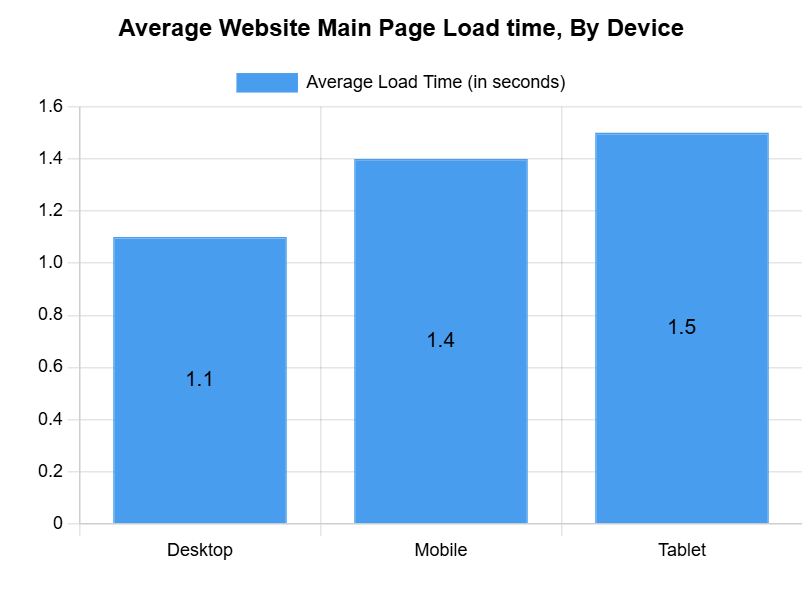
Why Website Speed Matters More Than Ever
In 2025, website speed is no longer just a ranking factor — it’s a trust factor. Visitors judge a brand’s credibility, professionalism, and reliability within seconds of loading a page. If your website delays even for a moment, users are likely to leave before engaging with your content or offers.
✅ User Expectations in 2025
Today’s digital users expect instant access and smooth interaction. Studies show that more than half of visitors abandon a site that takes longer than three seconds to load. With mobile-first browsing becoming dominant, this expectation has only intensified.
A fast website communicates efficiency and respect for the user’s time, while a slow one signals poor user experience and low technical reliability. In a competitive online environment, speed directly influences whether a visitor stays or exits your website.
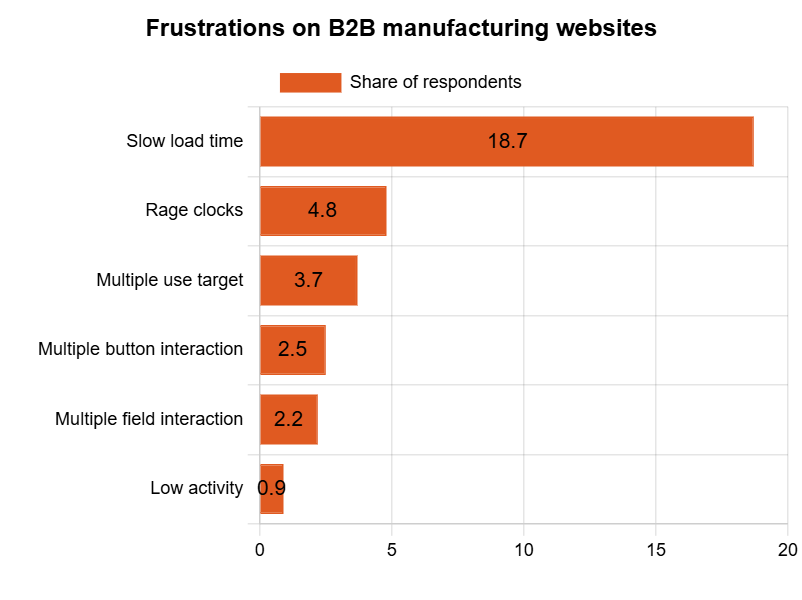
✅ The Impact on Conversions and Sales
Website performance directly affects your conversion rate, sales, and user satisfaction. Even a one-second delay can reduce conversions by up to 7–10%.
Fast-loading pages lead to:
- Higher engagement and longer session duration.
- Improved checkout and form completion rates.
- Stronger customer satisfaction and repeat visits.
For eCommerce websites, that means more sales and fewer abandoned carts. For service-based websites, it means more leads, inquiries, and bookings.
✅ Google’s Core Web Vitals and Ranking Power
In 2025, Google’s Core Web Vitals remain key indicators of page performance — measuring loading speed, interactivity, and visual stability.
Websites that perform well on these metrics:
- Rank higher in search results.
- Build stronger user trust.
- Reduce bounce rates and increase visibility.
Search engines now use AI-driven algorithms to understand user experience signals. That means your site’s speed doesn’t just affect SEO — it shapes how search engines perceive your brand’s authority and trustworthiness.
Why Website Speed Matters More Than Ever
Website speed directly impacts how users perceive your brand, interact with your content, and complete actions on your site.
🔹 Key Reasons
| Factor | Description | Impact on Business |
|---|---|---|
| User Experience (UX) | Fast websites improve engagement and reduce frustration. | Higher user satisfaction and repeat visits. |
| SEO Ranking | Search engines prioritize fast, optimized pages. | Better visibility and higher organic traffic. |
| Conversion Rate | Even a 1-second delay lowers conversions significantly. | Direct loss in sales and leads. |
| Mobile Performance | Mobile-first users expect instant access to content. | Builds trust and enhances on-the-go usability. |
| Brand Credibility | A quick site reflects reliability and professionalism. | Improves brand perception and authority. |
How Website Speed Affects SEO and Conversions
Website speed plays a major role in both SEO performance and conversion rates. A slow website doesn’t just frustrate users — it also limits your visibility in search engines and reduces business growth.
🔹 Key Impacts:
- Search Rankings: Fast websites meet Google’s Core Web Vitals, helping them rank higher.
- User Retention: Visitors stay longer and engage more when pages load quickly.
- Bounce Rate: Slow pages increase bounce rates, signaling poor user experience.
- Conversions: A fast, smooth experience encourages users to make purchases or submit inquiries.
- Trust & Credibility: Quick-loading websites build confidence and brand loyalty.
The Key Technical Factors That Slow Down Websites
Several common issues affect performance, and most of them are preventable with the right strategy.
- Unoptimized Images: Large, uncompressed images can slow down pages significantly.
- Inefficient Caching: Without caching, browsers reload assets every time, wasting bandwidth.
- Render-Blocking Code: Heavy CSS and JavaScript files delay content from appearing.
- Lack of a CDN: Without a content delivery network, visitors far from your server experience longer loading times.
- No Lazy Loading: When all media files load at once, users wait unnecessarily before viewing content.
Each of these problems increases loading times, lowers user satisfaction, and reduces conversions. The good news is that solutions exist for every challenge.
Common Factors That Slow Down Websites
A slow website is usually caused by a few common technical issues. Identifying and fixing these problems can instantly boost your speed, SEO, and user experience.
🔹 1. Unoptimized Images
Large, high-resolution images increase page weight and delay loading. Always compress and use modern formats like WebP or AVIF.
🔹 2. Render-Blocking Code
Heavy or unminified CSS and JavaScript stop the page from loading quickly. Minify files and defer non-critical scripts.
🔹 3. No Browser or Server Caching
Without caching, browsers reload all assets every time a visitor returns. Enable browser and server-side caching to speed up repeat visits.
🔹 4. Lack of a Content Delivery Network (CDN)
Without a CDN, users far from your hosting server experience longer load times. A CDN distributes your content globally for faster delivery.
🔹 5. Too Many Plugins or Heavy Themes
Overloaded websites with unnecessary plugins or bloated themes reduce efficiency. Keep your site lightweight and clean.
🔹 6. Missing Lazy Loading
When images and videos load all at once, it delays the first visual response. Lazy loading ensures media appears only when users scroll to it.
| ✅ Pro Tip: At TRIOTECH LABS, we also use AI-powered diagnostics to detect speed issues across different devices and GEO regions, ensuring your website performs fast everywhere. |
Steps to Optimize Website Speed for Higher Conversions
Improving your website speed is not a one-time fix — it’s a continuous process that combines technical improvements with smart optimization. Here are the key steps every business should take in 2025:
🔹 1. Audit Your Website Speed
Start with a comprehensive speed audit using tools like Google PageSpeed Insights, Lighthouse, or GTmetrix.
These tools help identify issues such as large image sizes, unused code, or slow server response times.
🔹 2. Optimize Media and Assets
Media files often take up most of a website’s loading time. Optimize every element without losing quality.
- Compress images using modern formats like WebP or AVIF.
- Host videos externally (e.g., YouTube or Vimeo).
- Minify CSS, HTML, and JavaScript to reduce file size.
Result: A leaner website that loads faster and ranks higher.
🔹 3. Implement Smart Caching
Caching stores important resources so they load instantly when users return.
- Browser Caching: Speeds up repeat visits.
- Server-Side Caching: Reduces processing load.
Tip: Combine caching with CDN for maximum speed improvement.
🔹 4. Apply Lazy Loading
- Load only what users need when they need it.
- Images and videos appear as the visitor scrolls — improving first contentful paint (FCP) and user perception speed.
🔹 5. Use a Content Delivery Network (CDN)
- A CDN distributes your content across multiple servers worldwide, allowing users to access your website from the closest location.
- This reduces latency, improves loading speed, and ensures global consistency.
🔹 6. Prioritize Mobile Page Speed
- With most traffic now coming from mobile, your website must be lightweight, responsive, and fast.
- Use responsive layouts, compressed media, and minimal scripts to enhance mobile performance
| ✅ Pro Tip: We at TRIOTECH LABS integrate AI + GEO-based optimization to tailor speed settings for each region, ensuring fast performance across devices and global audiences. |
Business Benefits of Website Speed Optimization
Optimizing website speed is not just a technical upgrade — it directly impacts your business growth, conversions, and brand trust.
🔹 Key Benefits:
1. Higher Conversion Rates
- Fast websites reduce friction, allowing users to complete purchases, fill forms, or submit inquiries quickly.
2. Reduced Bounce Rates
- Quick-loading pages keep visitors engaged, encouraging them to explore more content.
3. Improved SEO Rankings
Sites that meet Core Web Vitals gain higher visibility in search results, attracting more organic traffic.
4. Stronger Brand Trust
- A fast, reliable website communicates professionalism and builds long-term customer loyalty
5. Better Mobile Experience
- Optimized speed ensures smooth browsing on smartphones and tablets, which are now the primary traffic sources.
6. Global Accessibility
- Using CDNs and AI-driven optimization ensures consistent performance across regions, improving GEO-reach and user experience worldwide.
| ✅ Insight: Businesses that prioritize speed gain a competitive edge, as visitors are more likely to stay, trust the brand, and convert into customers. |
FAQs
1. How fast should a website load in 2025?
Ideally under 3 seconds; closer to 1 second is optimal for better engagement and conversions.
2. What is the best tool to measure 2. What tools can measure website speed?
speed?
Google PageSpeed Insights and Lighthouse provide reliable insights, while GTmetrix and WebPageTest offer detailed reports.
3. Is mobile page speed more important than desktop?
Use Google PageSpeed Insights, Lighthouse, GTmetrix, or WebPageTest for detailed performance analysis.
4. Do small businesses need a CDN?
Absolutely. Even small websites benefit from a Content Delivery Network to serve users efficiently across different regions.
5. What is the main factor slowing down websites?
Common issues include unoptimized images, render-blocking code, lack of caching, heavy themes/plugins, and no lazy loading.
Conclusion
In 2025, website speed is no longer just a technical metric — it’s a key business driver. A fast, optimized website improves user experience, SEO rankings, conversions, and brand credibility.
By following proven strategies like:
- Image and video optimization
- Smart caching
- Lazy loading
- CDN implementation
- Mobile-first design
…businesses can deliver a seamless, reliable experience that keeps visitors engaged and drives measurable growth.
At TRIOTECH LABS, we combine AI-powered diagnostics with GEO-based optimization to ensure websites perform fast across all devices and locations. Investing in website speed today is investing in higher conversions, stronger SEO, and long-term success.

